ASMR: Whispering Your Way to Relief from Stress
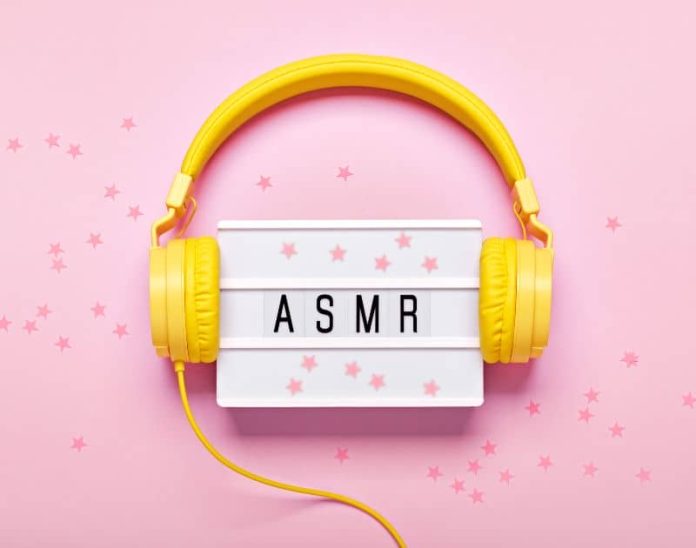
In an increasingly fast-paced, digitally connected world, the search for relaxation and calm matters more than ever. One unusual but effective way to find it is through ASMR—Autonomous Sensory Meridian Response.
ASMR is a phenomenon that grew out of the internet and has drawn the attention of millions of people looking for a gentle, soothing experience that calms the mind and body.
ASMR: What Is It?
It’s a term used to describe a distinct sensory experience—pleasant sensations in the head and spine, often triggered by specific stimuli such as sound, sight or touch. These triggers can range from soft tapping on a surface to whispered narration. The response is often accompanied by a sense of deep relaxation, calm and ease.
The term “ASMR” was coined by Jennifer Allen in 2010 and quickly spread through online communities and social media. Today, countless ASMR creators have built devoted followings on platforms like YouTube, where they make videos designed to trigger ASMR in viewers.
Triggers and Variety of Content
ASMR triggers are as varied as the people who experience them. Common sound triggers include whispering, soft tapping, crinkling sounds and gentle storytelling. Visual triggers often include slow, gentle hand movements.
Easing Stress and Anxiety
A main benefit of ASMR is that it may help ease stress and anxiety. The relaxing feeling that ASMR triggers produce can have a calming effect on the mind and body, helping people unwind after a tiring day or wind down before sleep.
Research on the possible benefits of ASMR is still in its early stages, but initial findings suggest it may play a supportive role in managing stress and mental wellbeing. Many people find that ASMR can help reduce anxiety and stress and may offer relief for those with mild to moderate symptoms.
Supporting Sleep and Relaxation
One of the most valued benefits of ASMR is that it may support better sleep. Millions of people worldwide struggle with sleep. ASMR videos, especially those aimed at relaxation and sleep, can guide viewers into a calmer state that may support better sleep quality. They often include long sessions of soft whispers that help listeners unwind.
The ASMR community often calls these creators “ASMRtists”. Many people find that ASMR videos help them fall asleep faster and sleep more deeply, with improved sleep patterns and a greater sense of wellbeing.
Creativity and Innovation
ASMR has evolved into an art form, with creators offering a rich auditory and visual experience.
These creators experiment with different triggers, scenarios and roles, giving viewers a wide variety of content to choose from. Some ASMR artists use high-quality binaural recording techniques, which create a three-dimensional sound experience and can make viewers feel as if they’re in the same room as the creator.
ASMR videos are often made with high-quality microphones that amplify the sounds and create a more intense experience.
Community and Connection
ASMR has created a sense of community and connection among people who share this distinct sensory experience.
Online forums, social media groups and dedicated ASMR platforms let ASMR enthusiasts connect, share experiences and talk with their favourite creators.
ASMR—the world of soft whispers, gentle tapping and visual triggers—has moved beyond its early reputation as an internet curiosity and is now seen by many as a useful tool for relaxation and stress relief.
If you’re looking for a break from the daily grind, ASMR can offer a way to step back from the noise of modern life. So if you’re after a gentle way to ease stress and find calm in the digital age, ASMR might be worth a try.
For more ways to ease stress, see Managing Work Stress and The Little-Known Benefits of Music in Our Lives.
Happy Life Team