
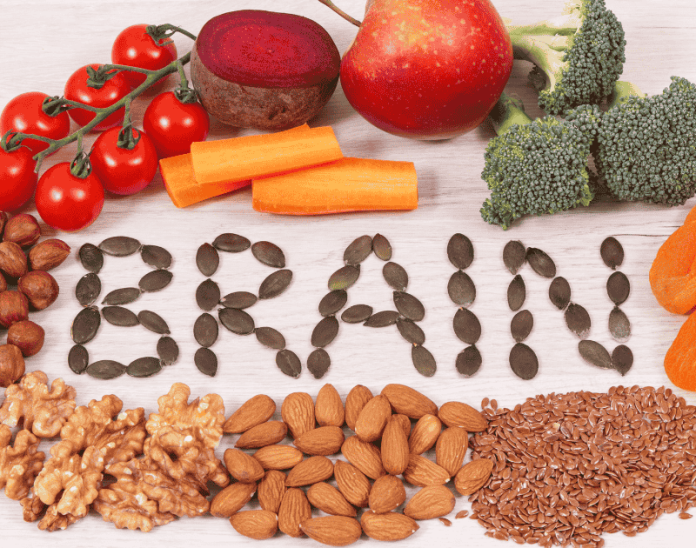
Uma Naidoo, MD, Director of Nutritional and Metabolic Psychiatry at Massachusetts General Hospital and author of This Is Your Brain On Food, notes that she has seen a rise in the number of patients seeking mental health care, especially for low mood, anxiety, sleeplessness and trauma.
“I feel very strongly that the silent pandemic is mental health,” she says. “Even if it’s not something so many people talk about.”
Very often, she says, people who are struggling with their mental health turn to food for self-soothing and emotional comfort.
As a leading voice in nutritional psychiatry and founder of the first US clinic in this field, Dr. Naidoo works with patients to support mood and mental wellbeing through diet.
Below are some ideas for using food to support and nurture your mental health.
The gut–brain connection
The human microbiome—also known as the gut environment—is a community of bacteria that supports the body. The foods we eat affect this gut environment and, in turn, brain function and mood. When beneficial microbes are fed by wholesome foods, they break them down into substances that support the body and brain. When we eat a lot of highly processed or unhealthy foods, the balance can shift: “bad” microbes can thrive and produce substances that trigger inflammation in the gut—which research has linked to many mental health challenges, including low mood and anxiety.
“In simple terms, when we eat unhealthy foods like processed or fast food, they’re more taxing on the body. The bad microbes in the gut start to thrive because they’re fed the foods they like and can outnumber the good microbes. When the balance of bacteria is disrupted, it can lead to a whole range of problems.”
Supporting mental health with diet
Often, people who feel anxious or low turn to comfort foods, which can create discomfort in the brain and worsen those feelings.
To support your mental health, Dr. Naidoo recommends including some of the following in your diet.
Plants
Many vegetables are excellent sources of fibre, and high-fibre diets have been linked in research to a lower risk of anxiety, stress and low mood, partly because of the anti-inflammatory role of fibre. Gut inflammation tends to be higher in people who experience these challenges.
You can start by simply adding two to three servings of vegetables to each meal—e.g. broccoli, cauliflower or spinach. They can be fresh or frozen, as long as frozen options don’t have added sauce, syrup or sodium. Or add finely chopped herbs to other dishes, such as omelettes or casseroles.
Fermented foods
Probiotics are often taken as supplements—but you can also add them through fermented foods, which contain live cultures that help restore beneficial bacteria in the gut and support a healthy gut environment.
Include more fermented foods in your diet with:
- Pickles
- Kimchi
- Miso
- Plain dairy or non-dairy yogurt with live active cultures
- Kombucha
Omega-3 fatty acids
Our brain needs fat to function—the key is to choose healthy fats. Omega-3s are essential fatty acids. Because our body can’t make them on its own, we need to get them from food. They have strong anti-inflammatory properties, which can support a healthy brain and help ease anxiety.
Find omega-3 fatty acids in:
- Fish such as salmon, sardines and mackerel
- Seeds such as flax, chia and pumpkin
- Nuts such as Brazil nuts and walnuts
- Other foods such as avocado and olive oil
Vitamin D
This vitamin is linked in research to improved mood, as it plays a role in reducing inflammation in the brain and protecting neurons. Around 80% of daily vitamin D needs can be met by spending about 10 minutes in the sun.
Add more vitamin D to your diet by choosing:
- Fortified milk
- Mushrooms
- Salmon
Spices
Spices are one of the best-kept secrets in nutritional psychiatry and a kind of “hidden superfood.” Adding spices to meals isn’t just about flavour—many have antioxidant and anti-inflammatory properties that can support brain health.
Try adding these spices to your meals:
- Turmeric with a pinch of black pepper to activate its key compound, curcumin
- Oregano
- Rosemary
- Ginger
- Garlic
Tea
If you’re dealing with anxiety and sleeplessness, having a selection of teas on hand can make a real difference in how you support your mental health.
Some of the best tea options include:
Green tea, which contains an amino acid called L-theanine that can cross the blood–brain barrier and has a calming effect. It has also been linked in studies to better focus, a gentle energy boost and less mental fog.
Chamomile, which contains an antioxidant called apigenin, thought to have anti-inflammatory and calming effects. Add a dash of cherry juice if you struggle with sleep. If you’re pregnant, check with your doctor first.
Herbal teas such as lavender and passionflower, which can calm and relax the mind and are often used to ease low mood.
One key to making a brain-friendly diet sustainable long term is to keep your home stocked with easy, wholesome options.
“Having healthy snacks available at home for stressful or busy days can be really helpful,” she says. “And if you’re already stretched, you’re likely to reach for whatever is available.”
To use food as a way to support your mental health, stock your fridge or cupboard with:
- Something sweet—e.g. a banana “nice cream,” an apple with natural almond butter, or a square of dark chocolate
- Something savoury—e.g. baked kale chips with avocado oil, salt and pepper
- Something crunchy—e.g. ¼ cup almonds, walnuts or pumpkin seeds
- Something quick—e.g. a homemade mix of nuts, seeds and dark chocolate chips
If buying fresh produce feels overwhelming, Dr. Naidoo notes that frozen produce is just as good at providing nutrients that support the gut and brain. Canned vegetables like green beans can lose some nutritional value—however, canned beans and chickpeas are nutritious, affordable, plant-based proteins you can add to your diet.
Source: https://www.massgeneral.org/news/coronavirus/tips-to-improve-mental-health-with-nutrition
For more on easing anxiety and negative thought patterns, read our article How to Recognize Negative Thought Patterns and Ease Rumination. For more on daily joy and balance, see Happiness as an Absolute Goal.
Happy Life Team