
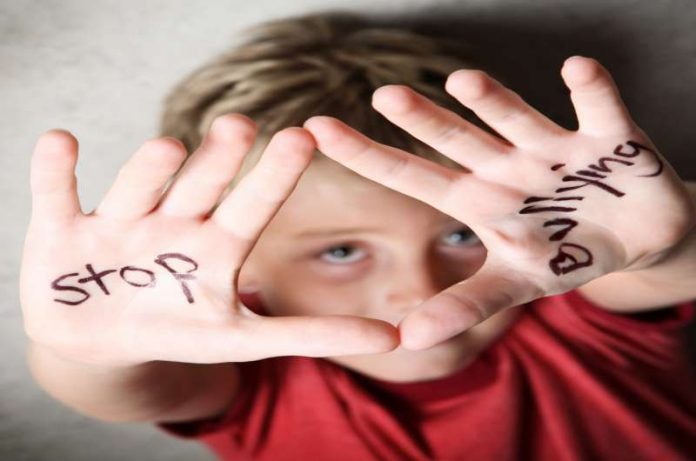
Let’s Talk About Bullying
When we use the term bullying, we refer to the physical, psychological and moral abuse that a person or a social group is subjected to. It has been described as a major public health issue by the World Health Organization [1] and appears in many forms across the whole range of interpersonal relationships. The social impact of this phenomenon is huge, which makes it a serious problem in our time.
How We Understand Bullying
At first glance, we see the development of a bully–victim relationship between the people involved in any form of intimidation or abuse. For a deeper understanding of the problem, it is crucial to analyze the behavior of both the active subject who causes the abuse and the receiver who suffers from it. Their relationship is mutually dependent, as through their interaction both sides adopt roles at an unconscious level. It is a painful situation that has both short‑term and long‑term destructive effects on people’s lives.
Analyzing the Bully
A thorough attempt to analyze the bully’s mindset is necessary in order to understand the motives that drive them to abusive or blackmailing behavior (bullying). We are dealing with individuals with reduced to almost no empathy, who derive pleasure and satisfaction from the actions they carry out at the expense of other people.
These individuals gain a sense of superiority by imposing themselves on others.
How Someone Becomes a Bully
Children who develop such a personality are often found to have been subjected to similar behavior in the past, most likely in their school environment. In many cases, there is also a toxic family environment where basic moral foundations are absent and incidents of domestic violence occur. The profile of a bully is rooted in the individual’s childhood, and in adult life it evolves further through the choices they make and the attitude they adopt toward life.
Analyzing the Victim
On the other hand, the victim is characterized by a modest, defensive stance. These are people with low self‑confidence, sensitive, who do not have the strength to defend themselves when faced with a threat and who are marked by intense passivity.
In the school environment, they become targets of verbal or physical violence that may start as “teasing” and then becomes repetitive, leaving the child in a state of fear and with consequences that are crucial for the formation of their character.
Victims of bullying develop feelings of low self‑esteem throughout their life, which makes them vulnerable to similar behaviors in their relationships. They cultivate within themselves a way of thinking that is full of distortions and fragile points. They reach a stage where they believe that every form of violent behavior they receive is justified, they are consumed by guilt and sink into a depressive loop where what is right or wrong becomes deeply confusing.
The bully–victim relationship is inseparable, because neither can exist without the other.
These people repeat the same patterns again and again in their lives. It is not at all rare for such relationships to be marital, within the wider family environment. The same patterns can also be found in the circle of friends and even more so at work. In the workplace, it is easier for a bullying situation to develop and be identified, since there is the undeniable position of power of the employer over the employee.
In the context of friendships, things are more complicated because the relationships between people are, in principle, based on mutual equality. It therefore becomes difficult for someone to admit that they themselves have domineering traits that show up in their relationships with friends. It is also very difficult for the other side to realize that their friendly environment is actually violent (mainly on a psychological level) and that, through their presence, they are reinforcing the acceptance of such behaviors.
Bullying is, without doubt, a major social problem. Dealing with it is urgent and of great importance for building a better and healthier society. The solid foundations for addressing it must be laid in education, as this is where the phenomenon often flourishes. On an individual level, the conscious refusal to take part in relationships of domination can set a clear boundary regarding the acceptance of violent incidents.
If you want to explore more about how our experiences shape us over time and how we can reclaim our inner strength, you can also read our articles The Psychosocial Development of People and Don’t Be Afraid to Change Your Life.
Happy Life Team