
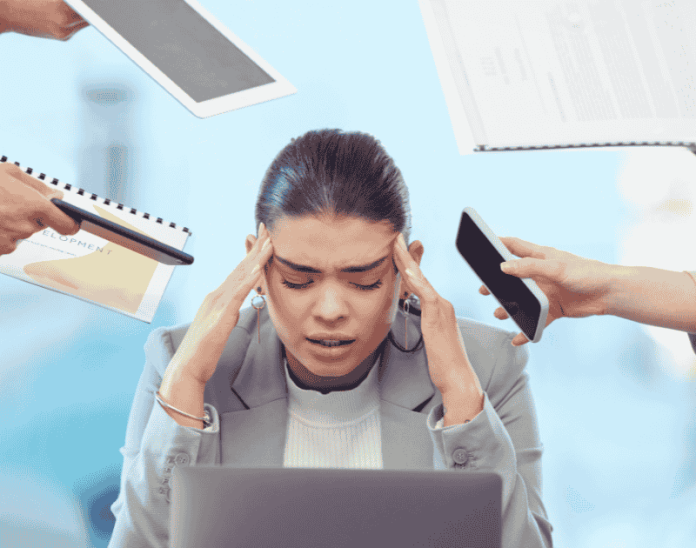
Difficult situations at work can’t be swept under the rug—but you can learn strategies to cope with work-related stress and anxiety.
Stress is part of everyday life. It’s rare to find someone who hasn’t faced it.
Sometimes short-term stress can be useful. It can provide motivation and focus and improve your performance, as long as you don’t feel pushed beyond your limits.
That said, not all effects of work stress are positive, and some can have a real impact on your health.
What is work stress?
Work stress isn’t necessarily bad. There’s even a term for the positive excitement you feel when you’re faced with a challenge that stretches your abilities: eustress.
You might feel eustress during the first weeks after landing a promotion you wanted.
- On the other hand, stress can lead to changes in mental health that make you dread going to work. You may notice a drop in your physical wellbeing or even experience injury at work.
What causes work stress?
There are many sources of work stress, and what affects you may not affect a colleague. That likely reflects different strengths and sensitivities, not that you’re less able to handle stress.
For example, you might be a people person in sales who thrives on customer contact but feels overwhelmed by paperwork. Meanwhile, a detail-oriented colleague might be the reason the files are always in order—but that same colleague may feel uncomfortable taking client calls.
Each of you has your own strengths and vulnerabilities when it comes to stress.
Whether it’s something that’s part of your temperament or a tension that affects everyone, the workplace can have many sources of stress. These may include:
- Job demands that don’t match your knowledge and skills
- Inadequate pay
- Lack of recognition
- Excessive workload
- Few opportunities for growth and advancement
- Boredom
- Lack of control
- Poor communication
- Unclear expectations
- Conflicting goals
- Lack of support and training
- Team dynamics
- Poor work–life balance
- Safety risks
Feeling supported by your colleagues and having some control over how you work are crucial. The World Health Organization (WHO) identifies these factors as ones that can make other work stressors feel more intense.
Side effects of work stress
The impact of work stress on physical and mental health is well documented. A 2021 review highlights the link between work-related stress and poorer mental and physical health outcomes.
The impact of workplace stress on health can include:
- Blood pressure problems
- Musculoskeletal disorders
- Heart-related issues
- Emotional and cognitive exhaustion
- Dissatisfaction
- Injury
- Weakened immune function
- Serious illness
- Distressing thoughts
- Anxiety and low mood
The drop in performance linked to stress makes work stress a concern both for employers and for staff. Absences, lateness and high turnover are among the reasons why practices that reduce work stress can benefit organisations.
Symptoms of work stress
Sometimes the symptoms of work stress are easy to spot—such as tension headaches and irritability. Other effects may be less obvious, such as back pain or a rise in blood pressure.
Work isn’t something we usually equate with free time and fun. Because of that, it can be hard to notice when “work” has turned into stress.
Symptoms that may suggest you’re experiencing work stress can include:
- Feeling nervous or on edge
- Ongoing tiredness
- Aches and discomfort
- Lack of satisfaction or sense of completion
- Changes in sleep or appetite
- Mood changes
- Increased use of substances
- Social withdrawal and isolation
- Stomach problems
- Diarrhoea or constipation
- Headaches
- Racing heart
- Skin rashes
- Neck tension
- Teeth grinding
- Dizziness
- Forgetfulness
- Poor concentration
Any change in your behaviour or in your physical or mental health that lines up with problems at work may be a sign of stress.
Tips for managing work stress
Although there’s a lot at work you can’t change, you can take some practical steps to help manage work stress.
Keep a journal where you note your feelings and reactions. Tracking your triggers and your responses can give you a clearer picture of what’s driving the stress—perhaps it’s certain meetings or a particular task. In any case, a written record is more reliable than memory alone.
Set boundaries.
Whether you stop checking work email after hours or you step back from solving other people’s crises, work boundaries can give you space and time to decompress.
Communicate clearly.
Your colleagues may be keen to help you reduce your stress if they knew how. Try to make it easier for them by communicating clearly—for example, by letting colleagues know when you’re available for a chat so you can limit interruptions to your flow.
Learn relaxation techniques.
Deep breathing and short mindfulness exercises can help you relax at work. At home, you can try longer mindfulness sessions or yoga to help regulate stress and anxiety.
Consider therapy.
There are many helpful forms of therapy to choose from. Therapy can offer tools and strategies to manage stress and anxiety, and ways to improve your relationships—including at work.
To sum up
Work stress is very common. If your working days aren’t always easy and you’re feeling some of the effects of stress, you’re not alone.
Managing work stress can help reduce the negative impact on your physical and mental health.
Sometimes reaching out to colleagues can help. Chances are they’re dealing with something similar and can offer ideas that help you cope with whatever is causing the stress.
For more on when it’s time to change a toxic or unsustainable work situation, read our article Don’t Be Afraid to Change Your Life. For more on easing anxiety and rumination, see How to Recognize Negative Thought Patterns and Ease Rumination. For more on balance and daily wellbeing, see Happiness as an Absolute Goal.
Happy Life Team